

Childhood Burn Research Participation
Why Participate in Research?
Help us realise a future of scarless healing in mind and body by transforming burn care and recovery through world-leading research.
At the Foundation, our work spans the full recovery journey, from initial treatment to long-term rehabilitation, translating cutting-edge science into real-world treatments that improve healing, reduce trauma, and enhance quality of life for burn survivors.
Watch as Professor Wood shares inspiring insights into how your involvement in our research aids in advancing our mission to improve quality of life outcomes for burn patients and their families. See firsthand the difference we can make together.
Join Our Burn Research Community
Find out more about the Research Buddy Program and the current projects seeking Research Buddies.
Learn MoreCHIP Study
The Foundation, in collaboration with the University of Western Australia and the Telethon Kids Institute, is conducting the Childhood Health and Immunity Post-burn (CHIP) research project. This study aims to understand the long-term impacts of burn injuries on the immune system, particularly focusing on identifying potential immune deficiencies in children who have sustained a burn injury.
Learn MorePlatelet Dysfunction and Cardiovascular Disease Following Paediatric Burns
This study, a collaboration between the Foundation and UWA’s Cardiovascular Research Group, examines the function of platelets and blood vessels in children with a burn, and compares them to children who have not experienced a burn injury.
Learn MoreThe Einstein Study
We are on the lookout for some incredible kids to take part in a research project titled – Understanding the Impact of Burn Trauma on the Central Nervous System in Children; A Pilot Study (EINSTEIN).
This research project aims to understand the long-term effects that burn injuries may have on the brain. We will compare brain scans from burn patients and other children and adolescents who have not had a burn that needed medical treatment.
If you are aged 6-18 years and your burn was more than 5+ months ago we can offer you a one-off opportunity for an MRI of your brain, and you can even bring a friend to help us as well. This study is completed in a single visit.
If you would like to learn more about the project, contact Amira.
Move to Improve Program
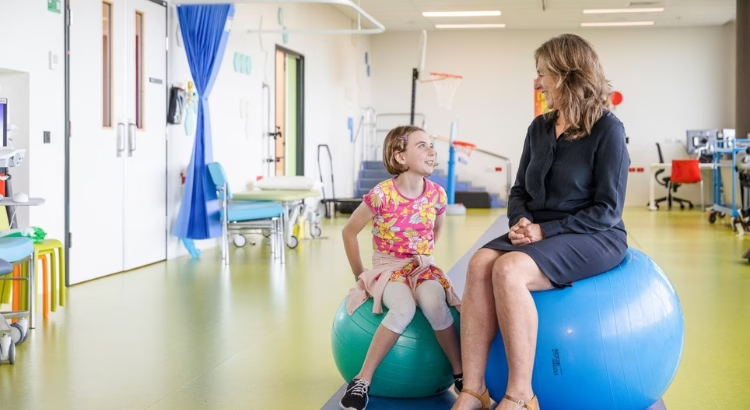
The Move to Improve Program is an 8-week physical activity initiative for children and adolescents with ongoing health conditions, including those who have experienced a burn injury, designed to support physical health, mental wellbeing, and overall recovery.
The program helps children and families overcome barriers to participation in sport and physical activity and is part of a five-year research project led by child and adolescent health researchers in Western Australia.
It is currently available to young people aged 5–17 years with cancer, type 1 diabetes, a burn injury (at least 6 weeks post-injury), or cerebral palsy under the care of a Perth Children’s Hospital medical team.
COCO Kids Study
The Coco Kids Study is a collaborative initiative by the Foundation, Telethon Kids Institute, Murdoch University and Perth Children's Hospital. This study aims to enhance the treatment of burn injuries in children by comparing the efficacy of sorbolene cream, the standard treatment, with a coconut oil formulated for clinical trial, after healing.
Learn More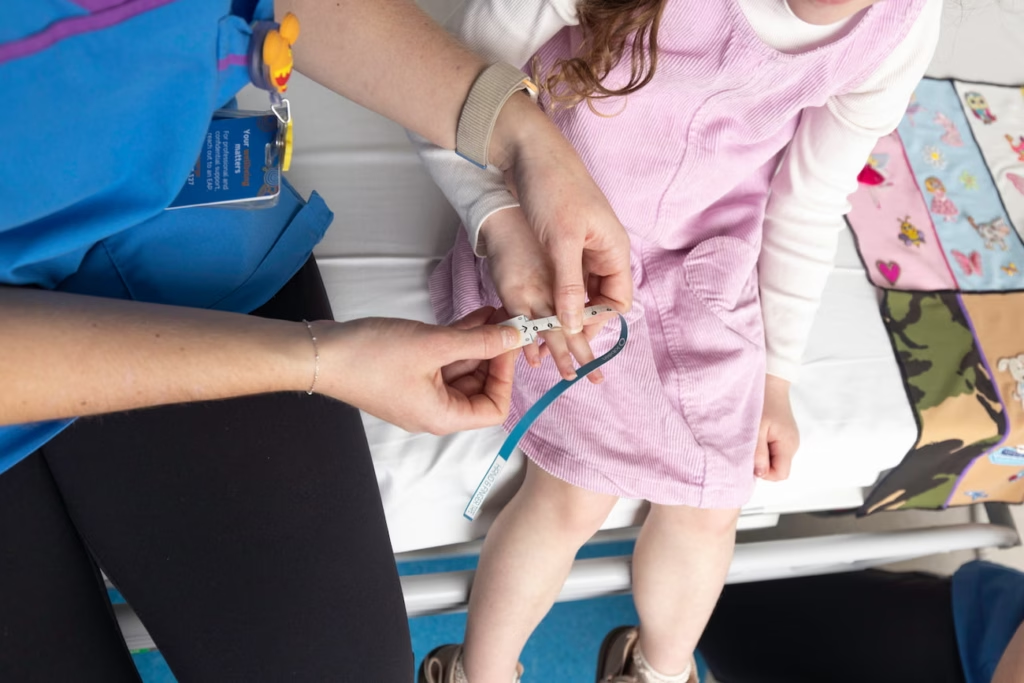
Biobank Study
Childhood burn injuries can be traumatic for both children and their families, and our research is focused on understanding and improving outcomes across every aspect of recovery, not just the visible injury.
Learn MoreBRANZ
Having high-quality data on burn injuries is essential to improving prevention, treatment, and education. Burn patterns in children differ from adults. Most are linked to age and everyday activities, so understanding these trends helps us better protect and care for young patients.
Through our participation in the Burn Registry of Australia and New Zealand, we gain valuable insights into how, why, and when children experience burns, as well as how they are treated. This data is de-identified, meaning no individual can be recognised, and plays a critical role in shaping research and understanding what typical care and outcomes look like.

For more information about the BRANZ Registry, read this document.
If you prefer your child’s information not be included, please contact the Burns Research Team at:
PCH.BurnsResearch@health.wa.gov.au.